
The Shower Epiphany: Why Acknowledgement Matters
Yesterday, a friend sent me a text meant to encourage me. Instead, it left me feeling unsettled and even a little annoyed. I didn’t understand why, until this morning, standing under the shower, feeling the sting of cracked skin on my chest.
And then it hit me.
What was missing wasn’t kindness or support. It was acknowledgment.
Let me explain why!
The Hidden Cost of Pushing Through
This year tested me in ways I never expected. I lost count after seven or eight severe allergic reactions. Each one left me in pain, my skin cracked and burning, my body exhausted, and no clear answers from Western medicine.
Very few people know what this truly looked like: the unbearable itching that stole my breath, the redness, the endless doctor visits, and the money and energy poured into trying to find relief. Through it all, I kept moving forward, “like a trooper,” as my friend called it.
But pushing forward came at a price.
I was building my business while raising my toddler, who deserves my presence. Yet so often, I couldn’t be fully there. I was distracted, scratching, icing my face, or fighting off twenty-minute waves of itching.
There were moments when I wanted nothing more than to collapse on the couch, cry, and escape into mindless TV. But I didn’t let myself.
Now, as the year ends, I realize: it’s time to acknowledge. To reflect. To learn. To integrate.
Why Toxic Positivity Doesn’t Heal
I don’t believe in covering deep wounds with a unicorn band-aid or pretending everything is fine when it’s not. Toxic positivity, forcing yourself to “just be positive” or repeating affirmations you don’t believe, doesn’t work.
“Healing isn’t about becoming the best version of yourself. It’s about allowing the worst version of yourself to be loved.”
True healing isn’t about denial. It’s about letting even the raw, hurting parts of you be seen and loved.
A friend once asked me, “Why bother looking at the past if you can’t change it?”
My answer: You can’t change the past, but you can process it. If you ignore your pain, it doesn’t disappear. It hides, only to resurface later in your relationships, your health, and your daily life.
Processing the Past: The Key to Emotional Healing
So many of us are afraid to face our past because we worry the pain will overwhelm us. I understand that fear. But unprocessed trauma doesn’t vanish. It keeps showing up until you give it space to heal.
This often begins in childhood. Maybe you were told to “stop being dramatic,” “man up,” or “get over it.” Maybe your feelings were brushed aside. Over time, those messages teach us that our emotions aren’t valid. We bury them, carry shame, and disconnect from our authentic selves.
But here’s the truth: your feelings matter. And acknowledging them is the first step toward emotional freedom.
This is what we do in Family Constellation therapy. We allow what has been hidden to come to light. We give space for acknowledgment, compassion, and release.This pattern often begins in childhood. If your feelings and emotions were brushed off, if you were labeled a “drama queen” or “too sensitive,” or told to “man up” or “get over it,” you may have learned that your feelings aren’t valid.
Nicole LePera aptly puts it:
“When we are consistently told that our emotions are ‘too much,’ we internalize the message that there’s something wrong with us. This creates shame and disconnection from our authentic selves.”
You may have bottled everything up and kept going as if nothing happened.
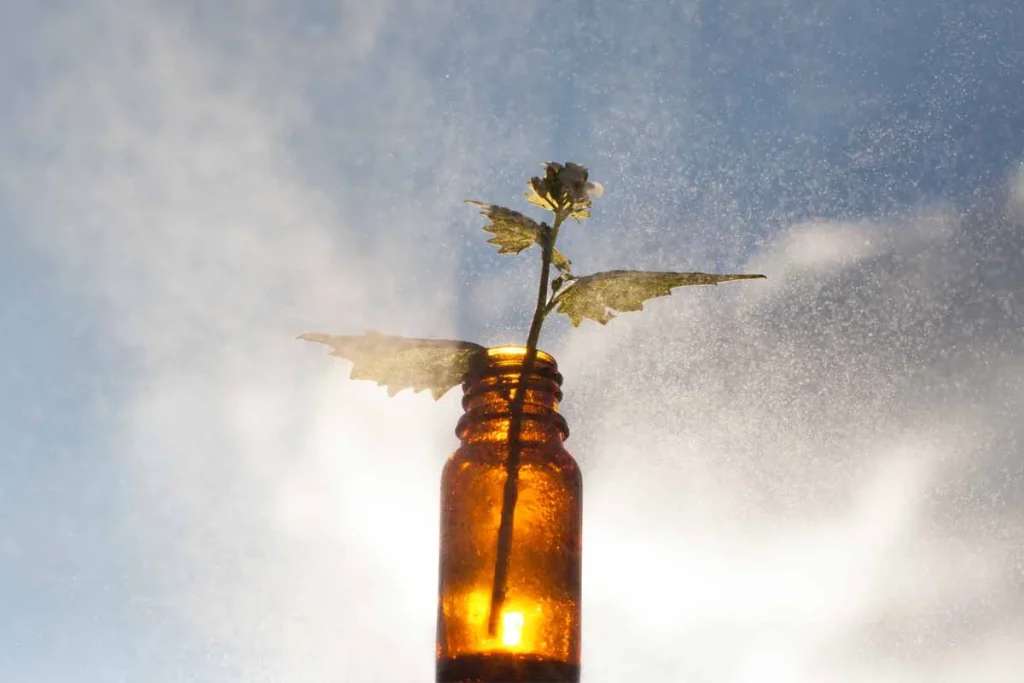
I see you because I’ve been there too. But I encourage you: pop that bottle. Let out whatever is bottled up so you can start a new chapter.
Giving Yourself Time
Right now, I’m still in the middle of my healing journey. The worst seems to be behind me, but the wounds are fresh. I need time, and that’s okay.
In Family Constellation work, we often say: “I need more time.” And that is powerful. Giving yourself permission to pause, process, and breathe is not a weakness. It’s wisdom.
Acknowledgment doesn’t mean living in the past. It means honoring what happened, learning from it, and then slowly moving forward.
Closing Thoughts
I’m grateful for my friend’s message, even if it first made me uncomfortable. It nudged me to see what I had been missing in myself: acknowledgment.
If you’re carrying your own “bottle” of unspoken pain, know this. You don’t have to keep it sealed. Healing begins when we dare to open it.
I recommend for reading my post related to this topic:
Quit Trying to Save Others, Save Yourself First