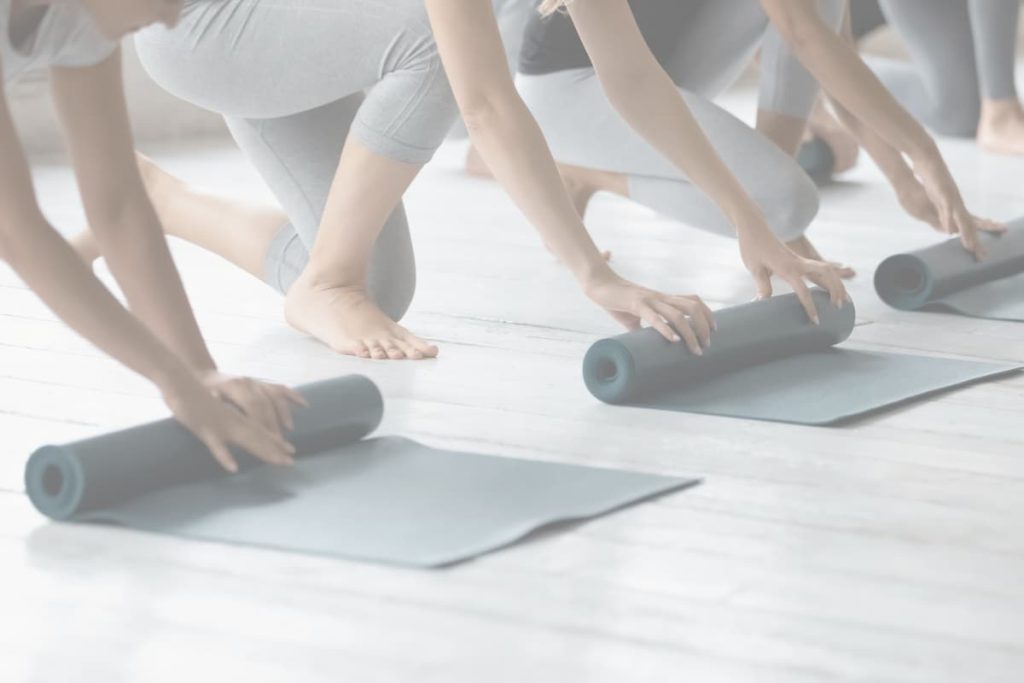

What a Pilates Class Taught Me About Healing
“We are masters of compensation.” The Pilates instructor said it casually while explaining the next exercise. At first, I thought she was talking about muscles. When one muscle is weak, another one jumps in to do the work. The body is incredibly clever like that. It finds a way to keep us moving.
But as I lay there trying to engage muscles I didn’t even know existed, I couldn’t stop thinking about that sentence. “We are masters of compensation.”
And not just physically. Emotionally. Mentally. In our relationships, in our parenting, and generally in our lives. The more I thought about it, the more I realized that many of us have become experts at adapting to things that were never meant to be carried in the first place.
Compensation is not bad, but it is a survival skill. In fact, it often starts as something incredibly intelligent.
-> A child grows up in a home where emotions aren’t welcome. So, they learn not to cry.
-> A child grows up around conflict. So, they become the peacemaker.
-> A child feels unseen. So, they become the achiever.
-> A child feels unsafe. So, they learn to stay hyper-alert and read every room before speaking.
These adaptations help us survive. The problem is that what helps us survive childhood doesn’t always help us thrive as adults. Yet many of us keep running the same programs long after the original situation is gone.
The Cost of Compensation
The challenge with compensation is that it often works so well that we don’t realize we’re doing it. The people-pleaser gets praised for being helpful. The perfectionist gets rewarded for high performance. The overachiever looks successful from the outside. The strong one becomes the person everyone relies on. But underneath the surface, something else is happening.
Compensation requires energy. A LOT OF ENERGY!
It’s like driving a car with one tire constantly carrying more weight than the others. Eventually, something gets tired. Something starts hurting. Something begins asking for attention. And often, that’s when people arrive at healing work. Not because they’re broken. But because they’re exhausted from carrying more than they were meant to.
The Ways We Compensate Without Realizing It
When I look around, I see compensation everywhere.
1. We Compensate for a Lack of Rest with Productivity
Instead of slowing down, we push harder. We convince ourselves that if we just get through this week, things will calm down. Then the next week arrives. And the next. And at the end, there is no slowdown or rest.
2. We Compensate for Feeling Unworthy by Achieving More
Sometimes success isn’t driven by passion. Sometimes it’s driven by a quiet belief that we must earn our place. Earn our value. Earn our love.
3. We Compensate for Emotional Pain by Staying Busy
If we’re always moving, doing, planning, and solving, we don’t have to feel what’s underneath. We don’t need to face our demons.
At least not right away.
4. We Compensate for Lack of Control by Trying to Control Everything
The schedule. The house. The children. The future and their future. Control often looks like strength from the outside, but underneath it is frequently fear.
5. We Compensate for What We Didn’t Receive
Many parents know this feeling. We want to give our children everything we didn’t have. More attention. More opportunities. More support. More understanding, more clothes, more toys… More of everything. The intention is beautiful. But sometimes we become so focused on giving that we forget to receive healing ourselves.
Healing Is Different From Compensation
-> Compensation says, “I’ll find another way around this.” Healing asks: “What needs my attention here?”
-> Compensation keeps us functioning. Healing helps us become whole.
-> Compensation is about managing the symptom. Healing is about understanding the message.
One isn’t wrong. Many of our compensations protected us when we needed them.
The goal isn’t to judge them. The goal is simply to notice them and to become curious.
To ask:
- What am I carrying that was never mine to carry forever?
- What am I compensating for?
- And what might become possible if I no longer needed to?
A Gentle Reflection
Maybe healing isn’t about becoming someone new. Maybe it’s about discovering how much energy has been tied up in compensating. And slowly, lovingly, give yourself permission to put some of that weight down. Because while we may be masters of compensation, we were never meant to stay there. We were meant to heal.